
Blog
The Antropy OpenCart Blog
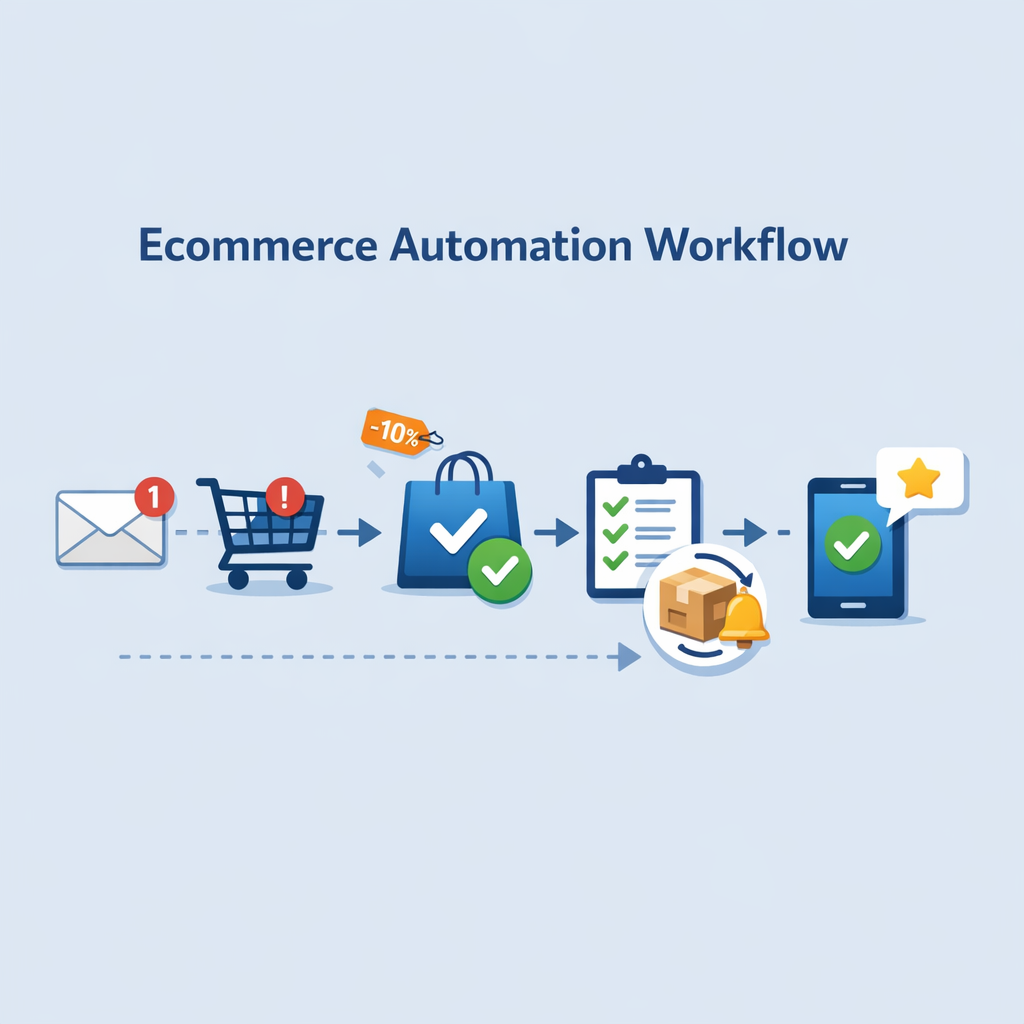
6 Key Automations to implement for your Online Store
Providing clear and timely communications with your customer base is key to running a successful e-commerce store online. One way to do this is by implementing automated communications, usually via email. Automating areas of customer communication takes repetitive tasks off your plate, freeing up time to focus on other areas of your business. They also ensure every customer receives prompt, consistent communication at each stage of their buying journey. Below are some of the most effective automations you can add to your store to increase conversions, build trust, and strengthen communication with your customers.
The Welcome Campaign
This campaign type is suited for both newsletter sign ups and new account creation. A welcome campaign is your chance to celebrate a new connection and expand your customer base. Use this space to introduce these contacts to key areas of your store, such as membership perks, resources, your brand story, etc. It sets the tone for your future relationship. It can also be a great moment to offer a small incentive, like a discount, to encourage first-time purchases.
Abandoned Cart Campaign
Life is busy, and sometimes customers end up leaving their digital cart behind without making a purchase. This could be down to customers getting distracted, wanting to compare prices, or they simply forget to check out. A gentle reminder via an automated email campaign can recover a surprising amount of lost revenue, prompting them to revisit their cart and complete the purchase. Adding a small discount can further increase the likelihood of converting those almost-orders into actual sales.
Post purchase and transactional emails
Post-purchase and transactional emails form the backbone of ecommerce communication. These include order confirmations, dispatch updates, tracking details, delivery confirmations, and any cancellation or refund notices. Setting up clear and reliable transactional emails builds trust, reduces customer service queries, and creates a paper trail that protects both the customer and the business.
Back in stock notifications
We’ve all been there, finding the perfect item online only to find that it is out of stock. There are two main ways to approach back in stock notifications. If the customer has the item saved as a favourite, you can send a “one of your favourite items is back in stock” message. Alternatively, you can add a “notify me when this item is back in stock” option on the product page. This not only helps gauge product demand but also provides another opportunity to collect email addresses.
Refill reminders
If your store sells consumable or perishable items, customers may need to purchase them regularly. Refill reminder automations nudge customers when they’re likely running low, encouraging repeat purchases without feeling intrusive. This convenience helps build long-term customer relationships and reduces the chance of them switching to competitors.
Product review requests
The best time to send a review request is a few days after the product or service has been delivered. This gives customers enough time to try the item without waiting so long that they forget. If they don’t respond initially, a gentle follow-up can help. Reviews strengthen your brand credibility, improve SEO, and give future customers confidence in your products.